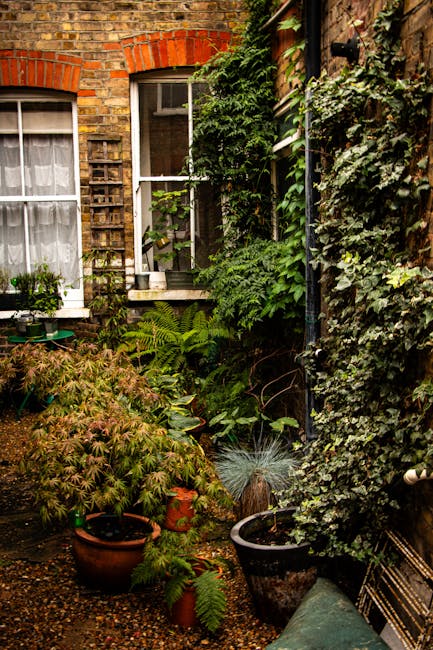
Affordable gardeners for Brick Lane terraces in Spitalfields

Terrace gardens in Brick Lane and wider Spitalfields can be beautiful, but they can also be a bit of a headache. Space is tight, access is awkward, and the planting has to work hard in every season. If you are looking for Affordable gardeners for Brick Lane terraces in Spitalfields, you probably want the same thing as most local homeowners and landlords: a tidy, attractive outdoor space without paying for unnecessary extras.
That balance matters. A good gardener should know how to keep costs sensible while still handling the practical realities of a London terrace, from narrow side passages and shaded corners to container maintenance, seasonal pruning, and regular waste removal. In other words, you want value, not just a low number on a quote.
This guide explains how affordable terrace gardening works, what to expect, how to compare options, and where people often waste money. It also covers local best practice, safety, and a simple checklist you can use before booking. If you are weighing up whether to do it yourself or bring someone in, you are in the right place.
Why Affordable gardeners for Brick Lane terraces in Spitalfields Matters
Brick Lane terraces and nearby Spitalfields homes often come with compact outdoor spaces that need smart, careful maintenance. A terrace is not a big suburban lawn. It is more often a small but important extension of the home, where every square metre has to earn its keep. That means the gardener's job is not simply to "do the garden"; it is to make a small space feel orderly, healthy, and usable without turning routine upkeep into a monthly luxury.
There is another side to it as well. In busy inner London, gardens can deteriorate quickly when they are left alone for even a short while. Pots dry out, ivy gets away from you, weeds creep into gaps, and the whole place starts to look neglected. A sensible, affordable gardening plan prevents the expensive catch-up jobs that happen when small issues are ignored. To be fair, that is usually where the real savings are found.
For landlords, managed terraces also help with presentation between tenancies. For homeowners, they make the outdoor area feel like part of the living space rather than an afterthought. And for people working long hours, a local gardener who understands terrace layouts can take a lot of pressure off. One tidy visit can make a huge difference. You notice it the moment you step outside and hear fewer weeds underfoot and a lot more actual calm.
How Affordable gardeners for Brick Lane terraces in Spitalfields Works
Affordable terrace gardening usually starts with a quick assessment of what actually needs doing, rather than a broad, open-ended promise. That first conversation should cover garden size, access, current condition, and whether you want a one-off tidy-up or regular maintenance. For small city terraces, the best pricing tends to come from clarity. Vague instructions often lead to vague quotes, and nobody really benefits from that.
A sensible service model usually breaks work into understandable parts:
- Initial tidy-up: clearing leaves, weeds, dead growth, and clutter.
- Ongoing maintenance: light pruning, sweeping, mowing where relevant, and pot care.
- Seasonal work: planting refreshes, cut-backs, soil improvement, and container resets.
- Waste handling: removing green waste responsibly, where included.
On a Brick Lane terrace, the gardener may also need to work around rear access, shared entrances, or limited storage for tools and materials. That sounds small, but it affects labour time. A two-person crew with poor access can take longer than a solo gardener with the right kit and a clear plan. That is why the cheapest quote is not always the cheapest result.
If you are looking for a fuller view of the service structure, it helps to check the services overview and the pricing and quotes information before you book. Those pages should give you a clearer sense of what is included and how pricing is framed.
Key Benefits and Practical Advantages
A good affordable gardener does more than make the terrace look neat. The real benefits are practical, and often a bit boring in the best possible way.
- Lower long-term maintenance costs: regular light care is usually easier on the budget than occasional heavy restoration.
- Better use of a small space: pruning, container care, and layout adjustments can open up room you did not realise you had.
- Less stress: you are not spending weekends doing awkward, repetitive jobs in old trainers and bad weather.
- Healthier plants: routine attention reduces the chance of plants getting pot-bound, water-stressed, or neglected.
- Improved curb appeal: a well-kept terrace boosts the feel of the whole property, not just the outside area.
There is also a very real quality-of-life benefit. A terrace garden can be a place for a morning coffee, a quiet read, or a breath of air after a packed day in the city. When it is tidy and functioning properly, it stops feeling like another job on the list. It becomes part of home again.
And if sustainability matters to you, ask how green waste is handled and what planting choices make sense for the site. The page on recycling and sustainability is a useful place to start if you want gardening support that is more thoughtful about waste and materials. Small space, small waste load, but still worth doing properly.
Who This Is For and When It Makes Sense
Affordable gardening for terraces is not only for people whose gardens are out of control. In fact, the best time to use a gardener is often before things get messy. That way, you are managing the space rather than rescuing it.
This service tends to suit:
- Busy homeowners who want the terrace to stay presentable without giving up their weekends.
- Landlords and property managers who need consistent standards between tenancies or inspections.
- Older residents who can manage light plant care but not heavier lifting, pruning, or clearance.
- New buyers who have inherited an overgrown or neglected outdoor area and need a sensible starting point.
- Small households who want regular maintenance rather than a full redesign.
It also makes sense if your terrace has awkward features: climbing plants that need taming, multiple containers, poor soil, limited sunlight, or a tiny paved patch that needs careful softening. Those little complications are exactly where a decent gardener earns their keep.
If you are unsure whether the job is maintenance or restoration, ask yourself this: do you need a quick refresh, or do you need a reset? That question usually settles things faster than a long debate over the fence.
Step-by-Step Guidance
If you are booking a gardener for the first time, a simple process keeps the whole thing affordable and tidy. No drama. No guesswork.
- Walk the space first. Note what needs attention: weeds, pots, dead growth, broken planters, moss, trimming, or waste removal.
- Decide the priority. For example, do you need appearance, plant health, or both? A front-facing terrace may need presentation first, while a private courtyard may need structure and planting support.
- Take a few clear photos. This helps with realistic quotes, especially where access is tight or the garden is partially hidden.
- Ask what is included. Labour, materials, waste disposal, and repeat visits should be understood before work starts.
- Choose the right visit type. One-off tidy-up, seasonal visit, or scheduled maintenance. The wrong format can waste money.
- Confirm access details. Gates, shared hallways, parking limits, and timing all matter in Brick Lane and Spitalfields.
- Review after the first visit. A good gardener should leave the space easier to maintain next time, not harder.
In practice, the first visit often sets the tone. You can usually tell within twenty minutes whether the job is being handled thoughtfully. Is the gardener noticing drainage issues? Are they working cleanly around the edges? Are they asking sensible questions about your plants rather than guessing? Those little signs matter more than sales talk.
Expert Tips for Better Results
Here is the straightforward advice that often saves people money and frustration.
- Keep a running list. Small terrace jobs are easier to budget when you group them: deadheading, sweeping, pruning, container refresh, and waste collection.
- Use regular maintenance instead of rescue work. A monthly or seasonal plan usually costs less over time than repeated emergency clearance.
- Stick to plants that suit your light levels. Shaded terraces and hot south-facing terraces behave very differently. A plant that looks lovely in a catalogue can be a nuisance in the wrong spot.
- Ask for small improvements, not total reinvention. A few better pots, cleaner edges, and healthier planting can transform a terrace without a big spend.
- Agree the waste approach in advance. Green waste can be the hidden cost on small jobs if it is not discussed clearly.
One of the best tricks, honestly, is to stop trying to make a tiny terrace do everything. You do not need a mini botanical garden, a dining room, and a wildlife haven all at once. A calmer, more coherent space almost always feels better and costs less to maintain. That sounds obvious, but people forget it all the time.
If you want a better sense of the team behind the service, it can also help to read the about us page. Knowing who is actually doing the work goes a long way when you are comparing quotes and trying to judge value.
Common Mistakes to Avoid
Most terrace gardening disappointments come from a few predictable mistakes. The good news is that they are easy to avoid once you know what to look for.
- Choosing only on price. The cheapest quote can become expensive if it excludes waste, materials, or follow-up work.
- Not defining the scope. "Tidy the garden" means different things to different people. Be specific.
- Ignoring access constraints. Narrow stairs, shared entrances, and storage limitations affect labour time and the final cost.
- Letting pruning go too far. Over-cutting can damage climbing plants, shrubs, and seasonal interest.
- Using unsuitable plants. High-maintenance planting in a hard-to-reach terrace quickly becomes a money sink.
A smaller but surprisingly common issue: people book a one-off tidy-up and then expect it to stay immaculate for months. Nice idea, but gardens are living systems. Weather, growth, and daily use change things fast. If the terrace is important to you, keep it on a light maintenance rhythm. It is much easier that way.
Tools, Resources and Recommendations
The right tools make small-space gardening more efficient, which is one reason affordable services can still do a polished job. For terrace work, the essentials are usually simple, but they need to be well chosen.
- Hand tools: secateurs, snips, hand forks, trowels, and pruning saws for detail work.
- Cleaning tools: brooms, dustpans, buckets, and leaf collectors for paved areas and steps.
- Watering equipment: cans, hoses where appropriate, and containers that hold moisture well.
- Waste bags and containers: especially useful where access is awkward and multiple trips would waste time.
- Planting materials: compost, mulch, gravel, and suitable pots that match the space.
For customers, the most useful resources are not fancy. A simple note of what plants are in each pot, when they were last fed, and what you want to keep or replace can make a big difference. A gardener can work faster when the brief is clear. Faster work often means better value. Funny how that works.
If payment security matters to you, it is sensible to check the information on payment and security before committing. And for practical next steps, the most direct route is usually the contact us page if you want to ask a few specifics before booking.
Law, Compliance, Standards, or Best Practice
For most domestic terrace gardening, the key issue is not complex regulation; it is sensible professional practice. Still, a trustworthy gardener should work in a way that respects safety, property boundaries, waste handling, and fair dealing.
In the UK, it is normal to expect clear communication about what is included, how waste is handled, and whether the service is insured for the work being carried out. If tools, ladders, power equipment, or waste removal are involved, the provider should be able to explain their approach in plain English. No jargon needed. Just clear answers.
Best practice for terrace gardens also includes:
- working carefully around shared access areas and neighbours
- protecting paving, walls, and railings during pruning or clearance
- disposing of garden waste responsibly
- using proportionate methods for a small urban site
- being honest about limitations, such as severe root issues or structural problems
If you want extra reassurance, check the provider's pages on health and safety and insurance and safety. Those details matter more than people think, especially in tight terrace settings where one careless move can mean damaged pots, scratched paving, or an awkward conversation with a neighbour. Nobody wants that before lunch.
Options, Methods, or Comparison Table
There are a few sensible ways to handle a terrace garden in Spitalfields. The right choice depends on budget, time, and how much hands-on work you want to do yourself.
| Option | Best for | Typical strengths | Possible drawbacks |
|---|---|---|---|
| One-off tidy-up | Overgrown or neglected terraces | Fast reset, clear visual improvement | Can be less economical if repeated often |
| Seasonal maintenance | Homeowners who want order through the year | Good balance of cost and upkeep | Needs some planning around the seasons |
| Regular scheduled visits | Busy households and landlords | Consistent presentation, fewer surprises | Ongoing commitment, even when growth slows |
| DIY with occasional support | Confident gardeners with limited time | Lower spend, flexible approach | Harder to keep standards consistent |
For most terrace owners, the sweet spot is usually somewhere between DIY and full-service everything. Maybe you keep the watering and light deadheading, while a professional handles pruning, waste, and seasonal resets. That split can work really well if you are realistic about your own time.
Case Study or Real-World Example
Here is a realistic example from the kind of work terrace gardeners often deal with in the Brick Lane and Spitalfields area. A homeowner had a small paved garden with six containers, a tired climbing plant, and a patch of weeds along the wall. It was not a dramatic jungle. More like a space that had quietly slipped behind on maintenance.
The first visit focused on clearance and structure rather than reinvention. The dead growth was removed, the containers were grouped more neatly, the weeds were cleared from the paving joints, and the climbing plant was lightly pruned rather than hacked back. A few pots were repositioned to improve light and movement. The result was subtle but immediate: the terrace felt wider, cleaner, and easier to use.
The client did not need a full redesign. They needed clarity. That is often the real job, especially on compact London terraces. Make the space work better. Make it easier to maintain. Then keep it there. Simple, but not always easy.
Practical Checklist
Use this checklist before you book Affordable gardeners for Brick Lane terraces in Spitalfields:
- Have I defined what I want done, in plain terms?
- Do I know whether I need a one-off visit or regular maintenance?
- Have I taken photos of the space from a few angles?
- Do I understand what is included in the quote?
- Have I asked about waste removal and disposal?
- Do I know whether access is straightforward or awkward?
- Have I checked the gardener's safety and insurance information?
- Do I want planting advice, or just practical maintenance?
- Have I thought about the terrace in different seasons?
- Am I choosing value and reliability, not just the lowest number?
If you can tick most of those off, you are in good shape. If not, take another ten minutes and sort the brief properly. It saves a lot of back-and-forth later.
Get a free quote today and see how much you can save.
Conclusion
Finding affordable gardeners for Brick Lane terraces in Spitalfields is not really about hunting for the lowest-cost offer. It is about getting the right level of care for a small, valuable, and often awkward outdoor space. The best service will make the terrace look better, work better, and cost less to maintain over time.
Focus on clarity, access, scope, and regular upkeep. Ask sensible questions, look for practical answers, and avoid paying extra for work you do not actually need. That approach is simple, but it works. And in a neighbourhood where space is precious, a well-kept terrace can change the feel of home in a quiet, satisfying way.
For more detail on the team, service structure, and practical booking information, you can also review the site's about us, services overview, and pricing and quotes pages. If you are ready to move forward, the next step is easy enough.
Take the first step, get the details straight, and give your terrace the care it deserves. Small space, yes. Big difference, absolutely.
Frequently Asked Questions
What do affordable gardeners for Brick Lane terraces in Spitalfields usually include?
It depends on the service, but most affordable terrace gardening visits include a tidy-up, weed removal, pruning or cutting back, sweeping, and sometimes waste removal. Always check the scope before booking so you know what is covered and what may cost extra.
How often should a terrace garden in Spitalfields be maintained?
For many small terraces, a seasonal visit works well, while busier or more visible spaces may benefit from monthly maintenance. If your plants grow quickly or the terrace is exposed to wind and shade, regular care usually keeps costs lower in the long run.
Is a one-off garden tidy-up worth it for a small terrace?
Yes, especially if the space has become messy or overgrown. A one-off tidy-up can reset the garden and make ongoing maintenance easier. It is often the best way to start before moving into a lighter, regular routine.
How do I know if I need pruning, clearance, or full maintenance?
If the space mainly looks untidy, you may need clearance. If plants are healthy but overgrown, pruning is likely the main issue. If you want the terrace to stay consistently presentable, maintenance is usually the better long-term choice.
What makes terrace gardening different from other garden work?
Terraces are usually smaller, more accessible only in parts, and more dependent on containers, paving, and vertical planting. That means the gardener needs to work carefully and efficiently, rather than treating it like a standard front or back garden.
Can affordable gardeners still help with planting advice?
Yes, many can offer practical suggestions about plants that suit your light levels, level of care, and available space. It is usually better to ask for realistic, low-maintenance planting advice than to chase a complicated design you will struggle to keep up.
Should I choose a gardener based on the cheapest quote?
Not on price alone. A quote that seems very cheap may exclude waste removal, materials, or proper attention to the job. Value matters more than headline cost, especially in small terrace spaces where poor work can become expensive to fix.
What should I prepare before the gardener arrives?
Clear access if you can, note any fragile pots or fixtures, and have a rough list of priorities ready. Photos help too, especially if you are requesting a quote remotely. A tidy brief makes the visit smoother and usually more cost-effective.
Is waste removal usually included?
Sometimes yes, sometimes no. It should always be checked in advance. On small terrace jobs, waste handling can make a noticeable difference to the total price, so it is worth confirming before work starts.
Are safety and insurance really relevant for a small terrace?
Yes. Even small jobs can involve tools, ladders, slippery surfaces, or awkward access. It is sensible to choose a provider that explains safety and insurance clearly. That is part of professional best practice, not just paperwork.
How can I keep the terrace affordable after the gardener leaves?
Keep a light routine going between visits. Sweep regularly, deadhead where needed, water properly, and avoid overfilling the space with high-maintenance plants. Small habits make a big difference, and they help each professional visit go further.
What if my terrace is very shaded or very exposed?
That affects plant choice, watering needs, and maintenance frequency. A good gardener should adjust the plan to suit the site rather than forcing a one-size-fits-all approach. In London terraces, those site conditions matter quite a lot.
Where can I check the company's policies before booking?
You can review the relevant pages on the site, including terms and conditions, privacy policy, complaints procedure, and accessibility statement for more context and reassurance.
What is the best first step if I want help with my terrace?
Start with a clear brief and a few photos, then make an enquiry through the contact page. That gives you the best chance of getting an accurate, useful quote without any unnecessary back and forth.